
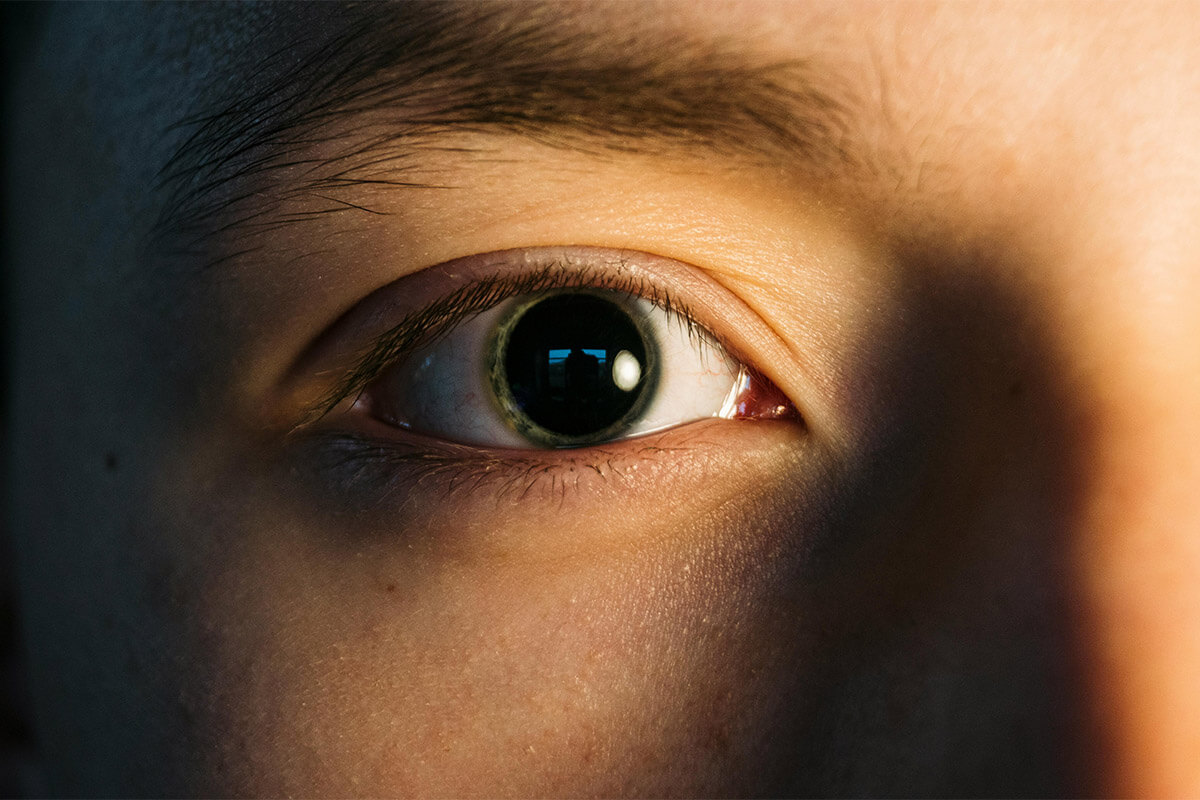
Drug use can affect the body in ways that are easy to see, including changes in behavior, mood, and physical appearance. One of the most noticeable signs is dilated pupils. This happens when certain substances affect the nervous system and brain chemicals, causing the muscles in the iris (the colored part of the eye) to relax, widening the pupil and letting in more light.
While pupil dilation can happen naturally, dilated pupils from drugs often look different and appear alongside other physical and behavioral changes. This difference can help you recognize when something may be wrong. This guide explains what drugs cause dilated pupils, what those changes can mean, and when they may be a sign of a larger issue.
What are dilated pupils?
The meaning of dilated pupils is simple. The black center of the eye becomes larger than normal. The medical term for this is mydriasis.
There are many causes of normal dilated pupils. Pupils get bigger in low light so that you can see better. They may also widen during moments of fear, excitement, or attraction. Certain medical treatments, like eye exams, also cause temporary dilation.
Drug-related dilation is different. It often lasts longer and often occurs alongside other symptoms such as restlessness, confusion, or mood changes. That combination is what makes substance use easier to spot.
Why do drugs cause pupils to dilate?
Dilated pupils often happen because of how drugs affect the brain and body. Many substances activate the body’s “fight or flight” system, also called the sympathetic nervous system. This response prepares the body for action. As part of that process, the muscles in the eye relax, leading to pupil dilation.
Drugs can also change brain chemicals such as dopamine and serotonin. These chemicals control mood, energy, and perception. When they are affected, the eyes respond as well. This is why dilation is common with certain types of drug use.
Drugs that cause dilated pupils?
Several drugs that cause dilated pupils fall into specific categories. Each category type affects the brain differently, which changes how the eyes respond.
Stimulants (cocaine, meth, Adderall)
Stimulants are one of the most common causes of dilation. Substances like cocaine, methamphetamine, MDMA, and prescription medications like Adderall increase energy and alertness.
People using these drugs often have very large pupils, even in bright light. Cocaine dilated pupils are a well-known sign of use. The same is true for meth use and the pupils, which are often noticeably wide and may be paired with rapid speech, restlessness, and decreased appetite. Stimulants speed up the nervous system, which is why the pupils stay dilated.
Hallucinogens (LSD, psilocybin, MDMA)
Hallucinogens affect how a person sees and experiences the world. Drugs like LSD and psilocybin mushrooms change serotonin activity in the brain.
This leads to strong and often long-lasting pupil dilation. In many cases, the eyes appear extremely wide for hours at a time. Compared to stimulants, dilation from psychedelics may be more intense and last longer, especially during a full “trip.”
Opioids and pupil changes
It is important to correct a common misunderstanding. Opioids do not usually cause dilation. Instead, opioids like heroin, oxycodone, and fentanyl cause very small, tight pupils. This is called pinpoint pupils, or miosis. It is one of the clearest signs of opioid use.
However, dilation can happen during opioid withdrawal. When someone stops using opioids, the body reacts in the opposite way. The pupils may dilate along with symptoms such as sweating, anxiety, and restlessness.
Marijuana
Marijuana affects people differently. Some people may experience mild pupil dilation, but this is not as consistent as with other drugs. The more common eye-related sign of marijuana use is redness or bloodshot eyes. While dilation may occur, it is usually subtle and not the main indicator.
Prescription medications
Some legal medications can also lead to dilation. These include certain antidepressants, anxiety medications, and antihistamines. With these medications, dilation can be a normal side effect and not a sign of misuse. If someone notices changes in their eyes after starting a new medication, it is best to talk with a medical provider.
How to tell if someone is on drugs
Changes in the eyes can raise concern, but they are not the only piece of the puzzle. Looking at the full picture helps identify signs of drug use.
To recognize possible drug use, watch for patterns like:
- Sudden changes in sleep habits
- Unexplained weight loss or gain
- Mood swings or irritability
- Secretive behavior or withdrawal from others
- Financial problems or missing money
- Changes in hygiene or daily routines
Dilated pupils can be an early clue, but when combined with these other signs, they can be a more meaningful indicator of drug use. Looking at behavior over time is more helpful than focusing on a single symptom.
Why are my pupils dilated?
People often search “why are my pupils dilated” out of concern, but the cause is not always related to drugs.
Common non-drug causes include:
- Low lighting conditions
- Strong emotions like fear or excitement
- Eye exams or certain medical treatments
- Prescription medications
- Neurological or eye conditions
If dilation happens often or without a clear reason, it is a good idea to speak with a doctor. Getting answers early can help rule out more serious concerns.
Get help for substance use at New Bridge Foundation®
Changes like dilated pupils can be easy to overlook at first. Over time, they may point to something more serious. When substance use becomes part of the picture, getting support can help you take the next step.
Voted one of the Best Addiction Treatment Centers in America six years in a row by Newsweek magazine, New Bridge Foundation® offers affordable, structured care for people across the San Francisco Bay Area and throughout California.
Our services include detox, residential rehab, and intensive outpatient services, along with counseling that supports substance use and co-occurring conditions. Care is based on each client’s needs, including support for veterans and active-duty military personnel.
If you are concerned about stimulant use, learn more about meth addiction or explore cocaine rehab services. You can also view our full range of drug rehab services to find the level of care that fits your needs.
Call New Bridge Foundation® today at 866.772.8491 or reach out online to take the next step.
Frequently asked questions
Dilated pupils can have many meanings. They may happen in low light, during strong emotions, or as a side effect of medication. They can also be linked to drug use. When dilation appears along with behavior changes, substance use may be worth considering.
No. Not all drugs cause dilation. Stimulants and hallucinogens usually lead to larger pupils. Opioids have the opposite effect and cause pinpoint pupils. Each drug affects the body differently.
The length of time depends on the substance and the dose. Stimulant-related dilation may last a few hours. Hallucinogens can cause dilation that lasts 6 to 12 hours or longer. Stronger or repeated use may extend these effects.
Pupil size can offer clues, but it is not a definite answer. Dilated pupils may point to stimulants or hallucinogens. Very small pupils often suggest opioid use. Other symptoms and behaviors are needed to understand the full picture.